2026-08-23 ·
When Is Pest Season in Arizona?
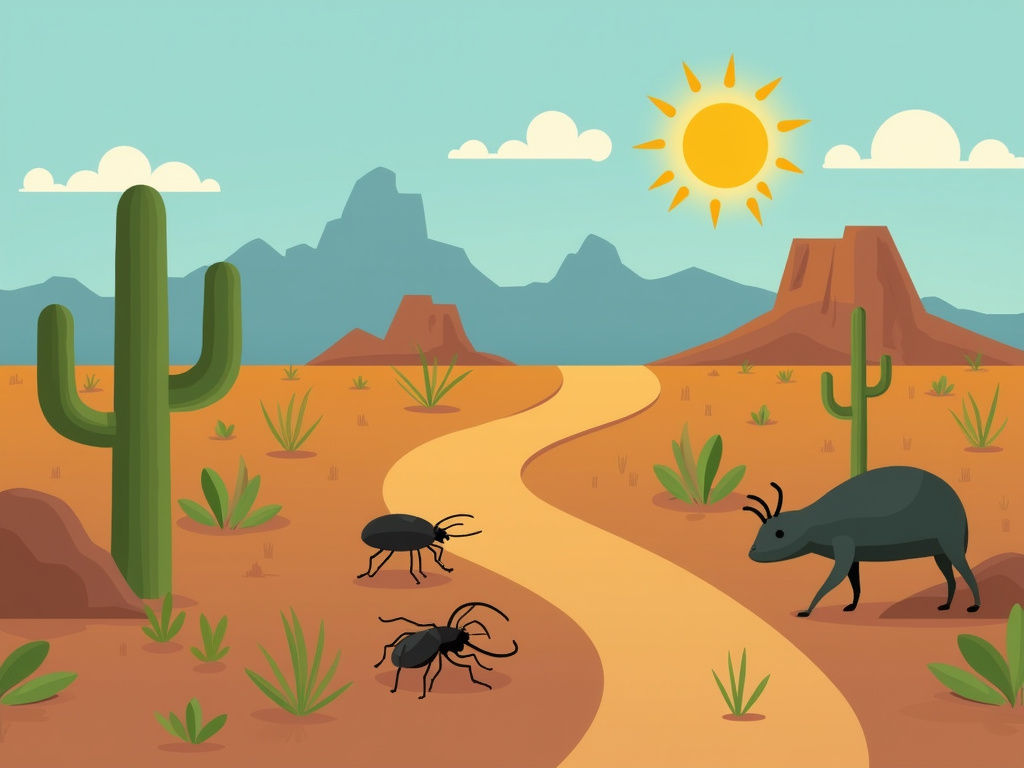
Pest season in Arizona runs March through October, with the strongest activity from May to September when daytime highs regularly exceed 100 degrees and force insects and arachnids to seek moisture and shelter inside homes.
Spring Activity in Maricopa County
Spring brings the first sustained wave of pest movement as temperatures climb from the 70s into the 90s. In neighborhoods such as Arcadia and Biltmore, scorpions emerge from winter retreats under rocks and begin foraging at dusk. Ant colonies expand foraging trails along irrigation lines and foundation cracks common in the 1950s–1970s ranch homes that dominate these areas. Residents in Camelback East notice increased spider activity around Papago Park trails where ground temperatures warm faster than shaded desert soil. The transition months also see early cockroach sightings in older Maryvale properties where plumbing leaks provide consistent moisture. These patterns repeat annually because the region’s hot desert climate offers no true cold period to suppress reproduction.
Summer Heat Drives Peak Pressure
From May to September, extreme summer heat above 105 degrees changes pest behavior across the valley. Scorpions and ants move indoors during daylight hours, entering homes through expansion joints and utility penetrations common in South Mountain stucco construction. In Ahwatukee, where newer homes sit against the desert edge, bark scorpions climb walls seeking evaporative coolers. Cockroaches multiply rapidly in the warm, humid microclimates created by leaking irrigation valves under slabs. Homeowners near Chase Field report higher rodent pressure as mice follow drainage lines from the ballpark district into adjacent commercial buildings. The heat also shortens the time between egg hatch and reproductive maturity for many species, extending the window of active infestation well into early fall.
Fall Patterns and Neighborhood Differences
As temperatures moderate in October, pest pressure shifts rather than disappears. Scorpions return to outdoor harborage around Desert Botanical Garden and Papago Park but continue entering homes in search of winter shelter. Ant colonies in Tempe and Mesa reduce surface activity yet remain active underground along tree roots and drip lines. Older housing stock in Maryvale experiences lingering cockroach issues because accumulated grease and moisture in wall voids stay warm longer than the cooling outdoor air. Newer construction in Ahwatukee sees fewer indoor scorpions once nightly lows drop below 70 degrees, yet spider populations increase around exterior lighting that attracts prey. These seasonal transitions explain why service calls remain elevated through October even as daytime highs decline.
How Local Terrain and Housing Stock Shape the Season
Phoenix terrain and housing age directly influence when and where pests appear. Homes built before 1980 in Arcadia and Biltmore often have slab-on-grade foundations with visible expansion joints that allow easy scorpion entry. Newer builds near South Mountain use better sealing yet still face pressure from surrounding desert washes that funnel ants during monsoon runoff. Proximity to landmarks such as Camelback Mountain increases spider and scorpion encounters because rocky slopes provide year-round harborage. Irrigation practices common throughout Maricopa County keep soil moist enough for ants and roaches to remain active even during the driest weeks of June. Understanding these site-specific factors helps residents anticipate problems rather than react after an infestation is established.
Practical Steps for Phoenix Homeowners
Monitor exterior lighting and reduce moisture sources around foundations from March onward. Seal visible gaps around pipes and doors before May when activity accelerates. Trim vegetation touching the structure in neighborhoods like Biltmore and Camelback East to limit ant trails. Store firewood and debris away from the home to reduce scorpion harborage near Papago Park and Desert Botanical Garden edges. Schedule inspections in late winter for properties in Ahwatukee and South Mountain where bark scorpions are prevalent. These steps align with the March-to-October window and address the realities of extreme summer heat and varied housing ages found across the valley.