2026-08-23 ·
Signs You May Have a Termite Infestation
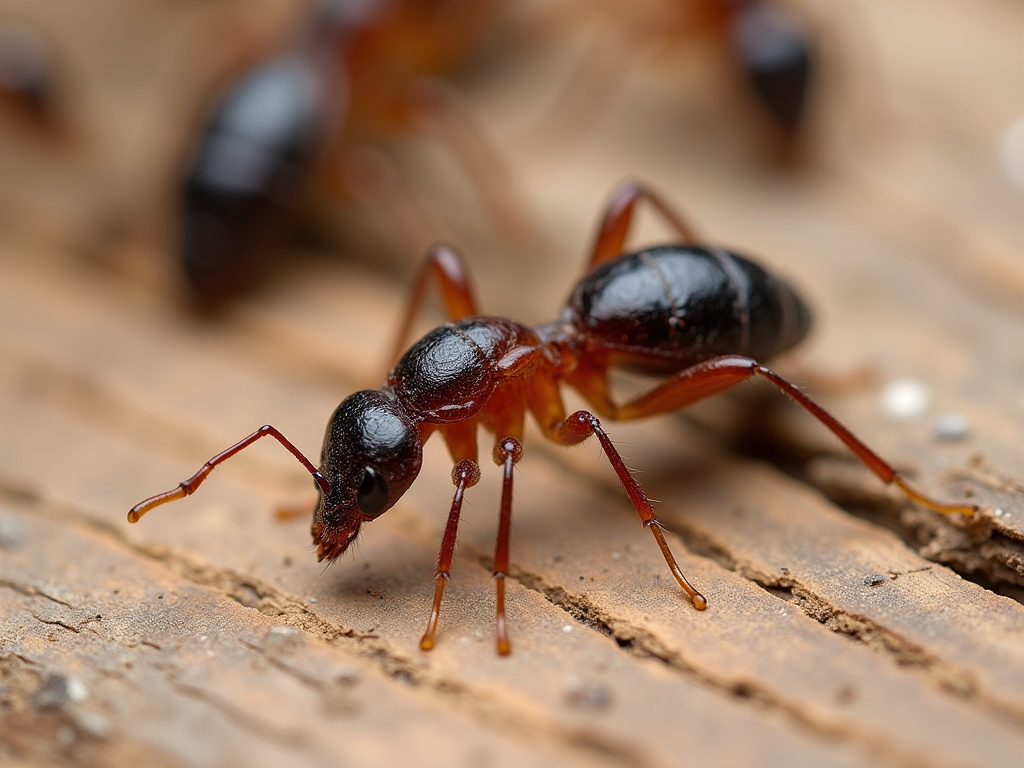
Termite infestations in Phoenix frequently reveal themselves through mud tubes along foundations, discarded wings near windows, and hollow-sounding wood in older homes built before 1980 in areas such as Arcadia and Camelback East. These indicators appear most often during the dry season when colonies expand in the extreme summer heat that defines Maricopa County.
Mud Tubes and Shelter Tunnels
Subterranean termites common in Phoenix build pencil-thin mud tubes along stucco foundations and through expansion joints to reach moisture sources. In neighborhoods like Maryvale and South Mountain, where many homes sit on older slabs with minor settling cracks, these tubes often run 6–12 inches vertically before branching. Check exterior walls after monsoon rains when soil moisture rises, as tubes can appear overnight on south-facing exposures near Papago Park. Homeowners in nearby Tempe and Mesa report similar patterns around irrigation lines that keep soil damp year-round. Inspect monthly by gently scraping suspected tubes; active ones get rebuilt within days. This behavior differs from drywood termites that leave no tubes but still damage framing in Biltmore estates.
Discarded Wings and Swarmers
Winged reproductives swarm from March through June in the hot desert climate around Chase Field and the Phoenix Zoo, leaving piles of translucent wings 3/8 inch long near doors and light fixtures. These swarms typically occur at dusk after 80-degree days, drawing attention in Arcadia yards and Camelback East patios. Count the wings rather than the insects themselves, since each pair indicates a potential new colony starter. Drywood termites produce smaller wings that scatter indoors, while subterranean ones cluster outside near soil. Residents in Scottsdale and Glendale note swarms often coincide with landscape lighting that attracts alates. Document dates and locations of sightings to track activity patterns across multiple seasons.
Wood Damage and Frass Evidence
Tapping baseboards or door frames in 30–50-year-old homes reveals hollow sections where termites have consumed cellulose from the inside out. In South Mountain properties with original wood trim, galleries run parallel to the grain and contain no sawdust, unlike carpenter ant damage. Drywood termites leave six-sided fecal pellets that accumulate in small piles beneath kickouts or window sills, often mistaken for sand in the desert environment. Check under sinks and in attic spaces where temperatures stay above 90 degrees, conditions that accelerate feeding rates. Homes near the Desert Botanical Garden face added pressure from native mesquite trees that serve as alternate food sources when structural wood is treated.
When to Schedule a Professional Inspection
If any of these signs appear, compare findings against photos of confirmed termite activity rather than guessing. A thorough inspection covers crawl spaces, plumbing penetrations, and fence lines that connect to neighboring properties in dense Arcadia blocks. What to Expect During a Professional Pest Inspection outlines the process used across Maricopa County. Link findings to seasonal patterns detailed in When Is Pest Season in Arizona? for better timing. For confirmed activity, review targeted treatment options at /services/termite-control that address both drywood and subterranean species common to Phoenix, Tempe, and Mesa.
Arizona Pest Control Network provides inspections and service Monday through Friday 8am–6pm and Saturday 9am–2pm for residents noticing these indicators in their properties.