2026-08-23 ·
What Attracts Ants Inside Arizona Homes?
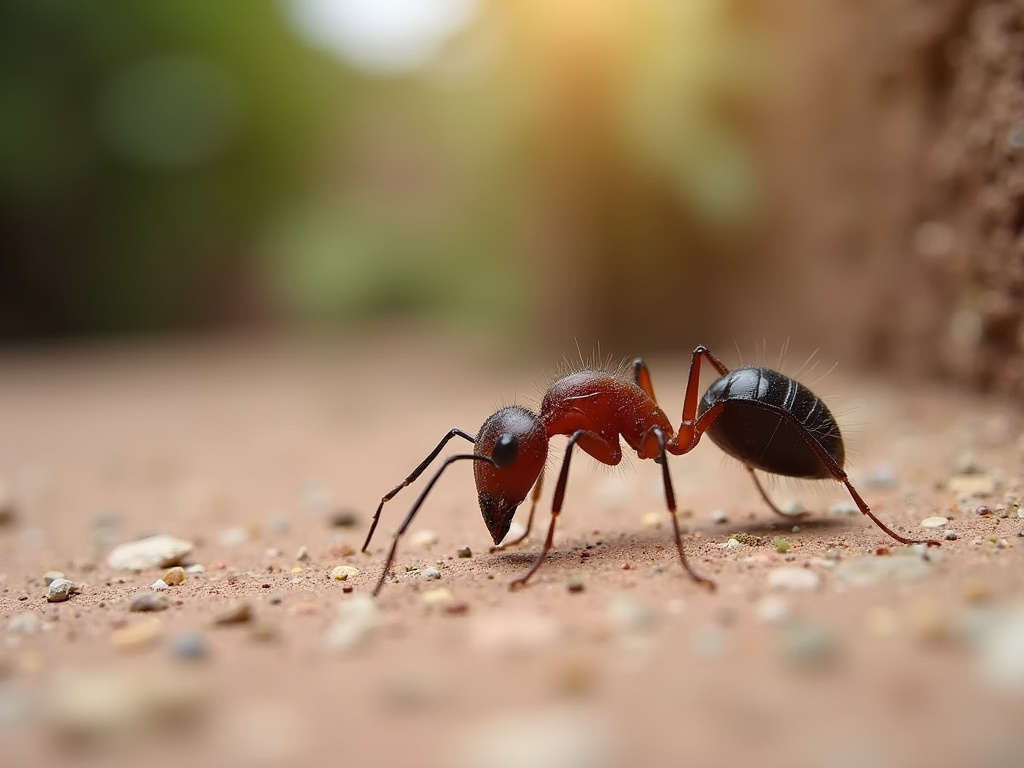
Arizona homes in Phoenix attract ants mainly through easy access to moisture and food particles, as the extreme summer heat in the desert pushes colonies indoors seeking relief from outdoor conditions above 110 degrees.
Water Sources That Draw Ants Indoors
In Maricopa County, leaking pipes under sinks and around water heaters create reliable moisture that ants follow into kitchens and bathrooms. Homes built in the 1970s and 1980s in neighborhoods such as Maryvale and South Mountain often have older plumbing that develops small drips, turning these spots into primary targets. Residents in nearby Tempe and Mesa report similar issues when irrigation systems near foundations keep soil damp year-round. Ants can travel up to 300 feet from nests to reach these sources, making even minor leaks enough to sustain large colonies inside walls.
Phoenix's low annual rainfall concentrates ant activity around any consistent water, including pet bowls left outside or condensation from air conditioning units. During peak summer months, colonies shift foraging patterns to exploit indoor humidity that stays higher than the surrounding desert. Checking under appliances and sealing gaps around pipes reduces these entry routes without relying on chemical treatments alone.
Food Residues and Kitchen Attractants
Crumbs on countertops, sticky spills on floors, and unsealed pantry items supply the sugars and proteins ants need to feed their colonies. In older Arcadia and Camelback East properties, built-in cabinetry with gaps behind appliances traps bits of food that go unnoticed until trails appear. Homeowners in Scottsdale and Chandler see increased activity when outdoor trash bins sit close to back doors, allowing species to bridge from yards into kitchens.
Ants detect food odors from several yards away and mark paths that others follow, rapidly expanding a small discovery into a full infestation. Storing dry goods in airtight containers and wiping surfaces nightly disrupts this process more effectively than occasional deep cleaning. Focus on areas under refrigerators and behind stoves where grease accumulates in hard-to-reach spots.
How Desert Climate and Terrain Affect Entry
The hot desert climate around Papago Park and the Phoenix Zoo forces ants to seek cooler, moister microclimates inside stucco homes common across the valley. Cracks in foundations and expansion joints widen during extreme temperature swings, creating pathways that connect directly to soil nests. Properties near Camelback Mountain experience additional pressure from colonies moving downslope during prolonged dry spells.
Sandy soils in Ahwatukee and surrounding foothills drain quickly, pushing ants toward irrigated lawns and then into attached garages. This terrain-driven movement explains why ground-floor units see more activity than upper levels. Regular inspection of baseboards and weatherstripping around doors addresses the physical routes created by these local conditions.
Seasonal Patterns in Maricopa County
Ant foraging peaks from late spring through early fall when daytime temperatures exceed 100 degrees, driving colonies to exploit indoor resources. When Is Pest Season in Arizona? details how monsoon moisture triggers secondary surges as new food sources appear outdoors. Homeowners in Glendale and Peoria notice trails forming within days of the first summer rains.