2026-08-23 ·
How to Keep Cockroaches Out of Your Home
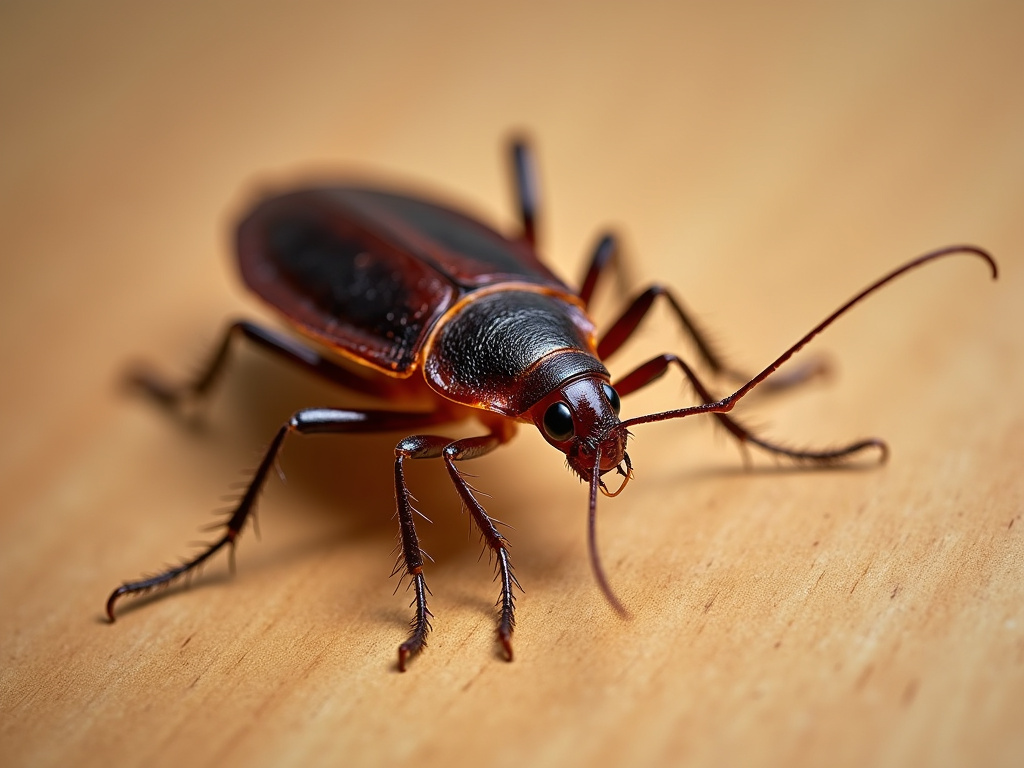
The most effective way to keep cockroaches out of your home in Phoenix is to seal every crack larger than 1/16 inch, eliminate standing water sources, and store all food in sealed containers so the insects have no reason to enter during the hot desert climate. In Maricopa County, German and American cockroaches move indoors once daytime temperatures exceed 100 degrees, especially in older stucco homes common in Arcadia and Biltmore where foundation settling creates gaps around pipes and doors. Homeowners in Ahwatukee and Camelback East face similar issues because irrigation systems near foundations keep soil moist year-round. Start by walking the exterior at dusk with a flashlight to spot active entry points, then address them before the next monsoon season brings additional humidity.
Seal All Potential Entry Points
Phoenix homes built before 1990 often have gaps around plumbing penetrations, dryer vents, and garage doors that allow cockroaches to travel from the garage into living spaces. In South Phoenix and Maryvale neighborhoods, older single-story block construction creates more opportunities for insects to move between units or from shared walls. Use copper mesh and silicone caulk rated for exterior use to fill openings around utility lines and expansion joints. Pay special attention to the area where the foundation meets the stucco, a common weak point after years of soil movement in the desert. Check weather stripping on every exterior door and replace any strip that no longer compresses fully against the threshold. These steps reduce the number of insects that ever reach the interior, especially when combined with targeted treatments available through cockroach control.
Remove Food, Water, and Shelter Sources
Cockroaches need only a few drops of water daily, so fix every leaky faucet and pipe under sinks in kitchens and bathrooms common in Tempe and Mesa homes. Store pet food in airtight bins and take out trash each evening rather than letting bags sit overnight in the heat. Wipe down counters and stovetops after every meal because even small amounts of grease attract foraging roaches from Papago Park greenbelts. In the laundry room, move the washer and dryer monthly to clean behind them where lint and moisture collect. Keep cardboard boxes off the floor in garages and storage areas because the material provides both food and harborage. These sanitation habits work year-round but become critical once summer heat drives insects indoors from nearby desert washes.
Maintain Exterior Conditions Around the Property
Trim vegetation so no branches touch the house, a step that prevents cockroaches from using plants as bridges in the dense landscaping typical of Arcadia and Biltmore properties. Move mulch and decorative rock at least 12 inches away from the foundation to reduce moisture retention near the slab. Empty birdbaths and pet water bowls at dusk when roaches become active. In South Mountain area homes with gravel yards, check irrigation valves regularly for leaks that create hidden damp spots. Store firewood and lumber piles on racks at least 18 inches off the ground and 20 feet from the structure. These exterior habits limit the population that ever attempts to enter, especially during the peak activity period discussed in when pest season occurs in Arizona.
Monitor Regularly and Respond Quickly
Place sticky traps behind appliances and under sinks in every Phoenix home to catch early arrivals before they reproduce. Check traps weekly and note any increase in catches, which signals the need for further inspection around plumbing or electrical entries. In Camelback East condominiums, shared utility chases can move insects between units, so coordinate monitoring with neighbors when possible. If you see more than a few roaches in a two-week period, contact a local service that understands Maricopa County conditions rather than relying solely on retail sprays that often miss hidden nests. Consistent monitoring combined with the sealing and sanitation steps above keeps most homes free of established infestations throughout the year.