2026-08-23 ·
Common Spiders Found Around Arizona Homes
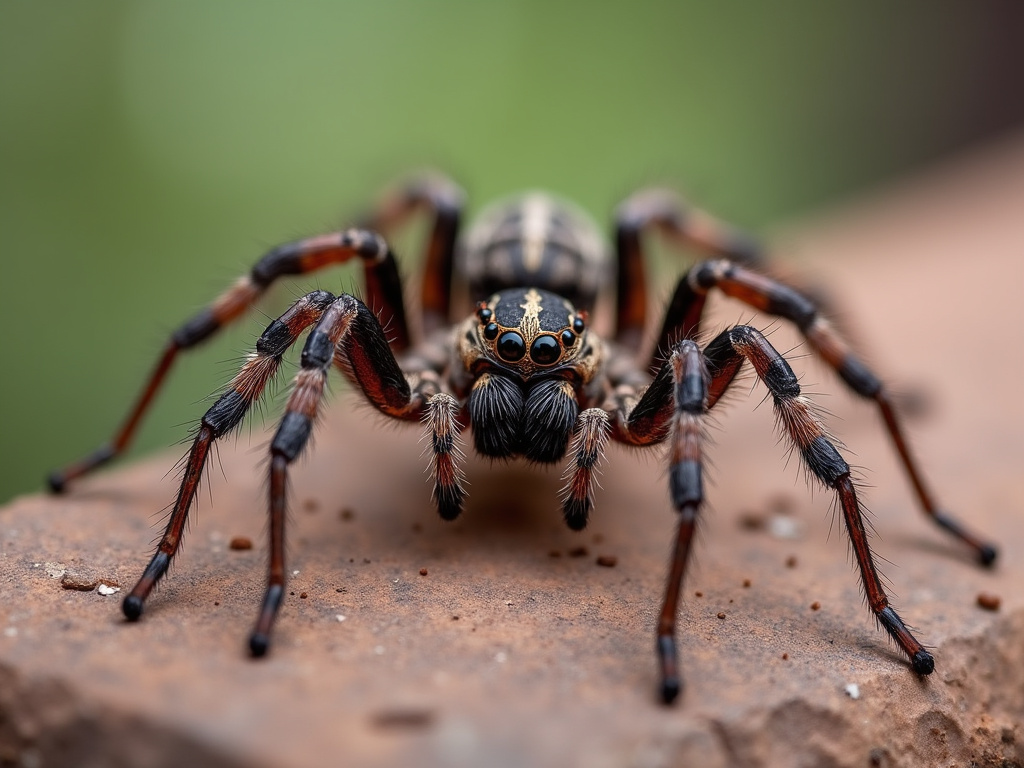
Phoenix homeowners in neighborhoods like Arcadia, Biltmore, and Ahwatukee regularly encounter a handful of spider species that thrive in the hot desert climate of Maricopa County. The most common include black widow spiders, wolf spiders, and cellar spiders, which enter structures seeking moisture and shelter during extreme summer heat reaching over 110 degrees.
Black Widow Spiders in Phoenix Homes
Black widow spiders favor dark, undisturbed spots around older homes in Maryvale and South Mountain where irrigation lines and storage sheds provide cover. These spiders measure about 1.5 inches across with a distinctive red hourglass marking and produce venom that requires medical attention if bitten. In the desert climate, they become more active at night when temperatures drop, often building webs near ground-level entry points in Camelback East properties. Residents notice them near woodpiles or under outdoor furniture during fall months when they seek warmth. Reducing clutter and sealing cracks helps limit access without relying on broad treatments.
Wolf Spiders Around Local Properties
Wolf spiders roam openly across yards in Tempe and Mesa rather than staying in webs, hunting insects at dusk in the arid Maricopa County terrain. They reach sizes up to 2 inches and appear larger due to their hairy legs and reflective eyes under flashlights. The extreme summer heat drives them indoors through gaps around doors in Scottsdale-adjacent areas, where they hide in basements or laundry rooms. These spiders do not build permanent webs and move quickly when disturbed. Checking shoes and stored boxes before use prevents most encounters in homes built on desert lots near Papago Park.
Cellar and House Spiders in Desert Housing
Cellar spiders hang in loose webs from ceilings in older Biltmore and Camelback East residences where humidity from evaporative coolers creates suitable microclimates. They measure 2-3 inches including legs and feed on smaller insects drawn to the same moisture sources. House spiders appear in similar spots around Phoenix Zoo and Desert Botanical Garden vicinities, spinning irregular webs in corners during cooler evenings. The region's low rainfall concentrates these spiders near any consistent water sources like AC units or pet bowls. Regular vacuuming of webs and reducing indoor moisture sources limits populations effectively.
Seasonal Patterns and Prevention Steps
Spider activity peaks after monsoon rains in late summer across Ahwatukee and South Mountain when increased insect prey draws more hunters indoors. Homeowners in these areas benefit from inspecting foundations for cracks and trimming vegetation touching exterior walls. For ongoing issues, targeted approaches through spider control address specific species without broad chemical use. Checking when pest season occurs in Arizona helps time prevention efforts around known patterns in the hot desert climate. Sealing entry points remains the most reliable step for properties near Chase Field or Papago Park where urban development meets desert edges.